- OPEN 7 DAYS
- 855-85-PULSE
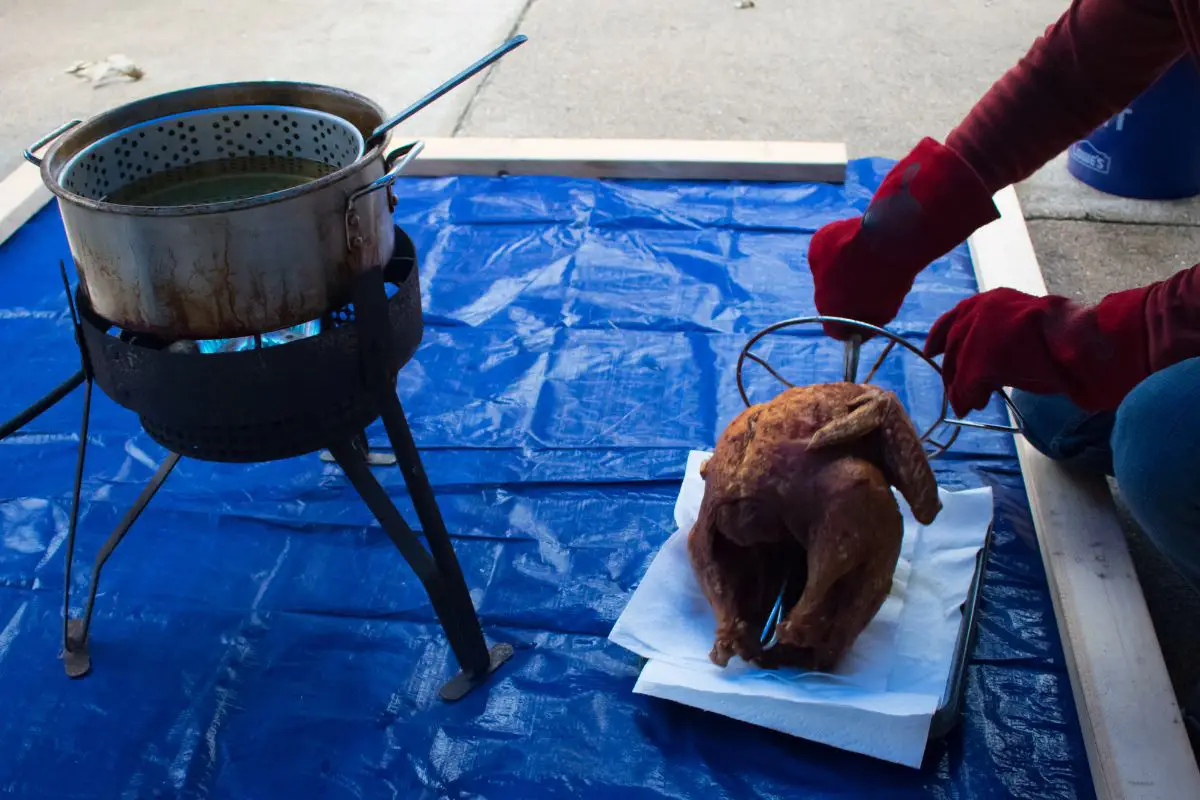
Turkey Fryer Warning: How to Prevent Serious Oil Burns and Holiday Fires
November 22, 2025The High-Risk Disaster: Turkey Fryers and Severe Burns
Deep-fried turkey has become increasingly popular in the Hudson Valley, but hot oil and large birds create significant burn risks. The risks associated with this method are severe: hot oil burns are particularly serious because oil reaches higher temperatures than water and sticks to skin, causing deeper tissue damage.
When Hot Oil Meets Poor Planning
Deep-fried turkey has become increasingly popular in the Hudson Valley, but hot oil and large birds create significant burn risks.
How These Injuries Happen:
These serious burns often result from simple errors:
- Partially frozen turkeys cause oil to bubble over violently
- Overfilled fryers overflow when the turkey is lowered
- Wet surfaces or rain create dangerous steam eruptions
- Moving or accidentally knocking over fryers
- Improper setup too close to structures
The Injuries We See:
Burns from turkey fryers range from minor splatter burns to severe injuries requiring hospital treatment. Hot oil burns are particularly serious because oil reaches higher temperatures than water and sticks to skin, causing deeper tissue damage.
Prevention Strategy:
- Completely thaw your turkey: This takes several days in the refrigerator.
- Measure oil properly: Use the water displacement method before heating.
- Location matters: Always deep fry your turkey outdoors, on level ground, away from structures. DO NOT deep fry a turkey in the rain – this is a recipe for disaster, as water + hot oil = explosion.
- Have a fire extinguisher ready: Specifically rated for grease fires. NEVER try to put a grease fire out with water. See above re: explosions.
- Never leave unattended: Designate someone to monitor the oil constantly.
- Keep children and pets away: Create a safety zone. Use a physical barrier. This is a perfect use for that roll of caution tape that you’ve inexplicably been carrying around since college.
If Burns Occur:
Run cool (not ice-cold) water over the area for 10-20 minutes. Don’t apply home remedies like butter or ice. Cover with a clean, dry cloth. Seek medical attention for burns larger than your palm or on the face, joints, hands, feet, or genitals.
When to Choose Urgent Care vs. Emergency Room
Burns require immediate medical attention, but the severity dictates where you should go:
- Appropriate for Urgent Care: Minor burns (first degree burns without significant blistering that are under 3” in diameter
- Requires Emergency Room or a Dedicated Burn Center: Uncontrolled bleeding; large (over 3” in diameter) or severe burns (burns with significant blistering, deep burns); difficulty breathing or severe allergic reactions; chest pain or stroke symptoms; major trauma.
Always seek medical attention for burns larger than your palm or those involving the face, joints, hands, feet, or genitals.
Don’t let a preventable burn turn your holiday into a trip to the ER. Follow these simple safety steps to keep your Thanksgiving celebration safe and focused on food, family, and gratitude. If an injury does occur, don’t hesitate – seek medical attention immediately. For more essential holiday safety tips, be sure to read our next post, where we cover three other common Thanksgiving emergencies: choking, food poisoning, and falls. Stay safe, Hudson Valley!
Pulse-MD Urgent Care will be open Thanksgiving Day at all Hudson Valley locations. Check our website for specific hours and current wait times. We hope you have a safe and healthy holiday.
Medical content reviewed by Kham Ali MD, MBA, MPH, FACEP
© 2026 Pulse MD Urgent Care