- OPEN 7 DAYS
- 855-85-PULSE
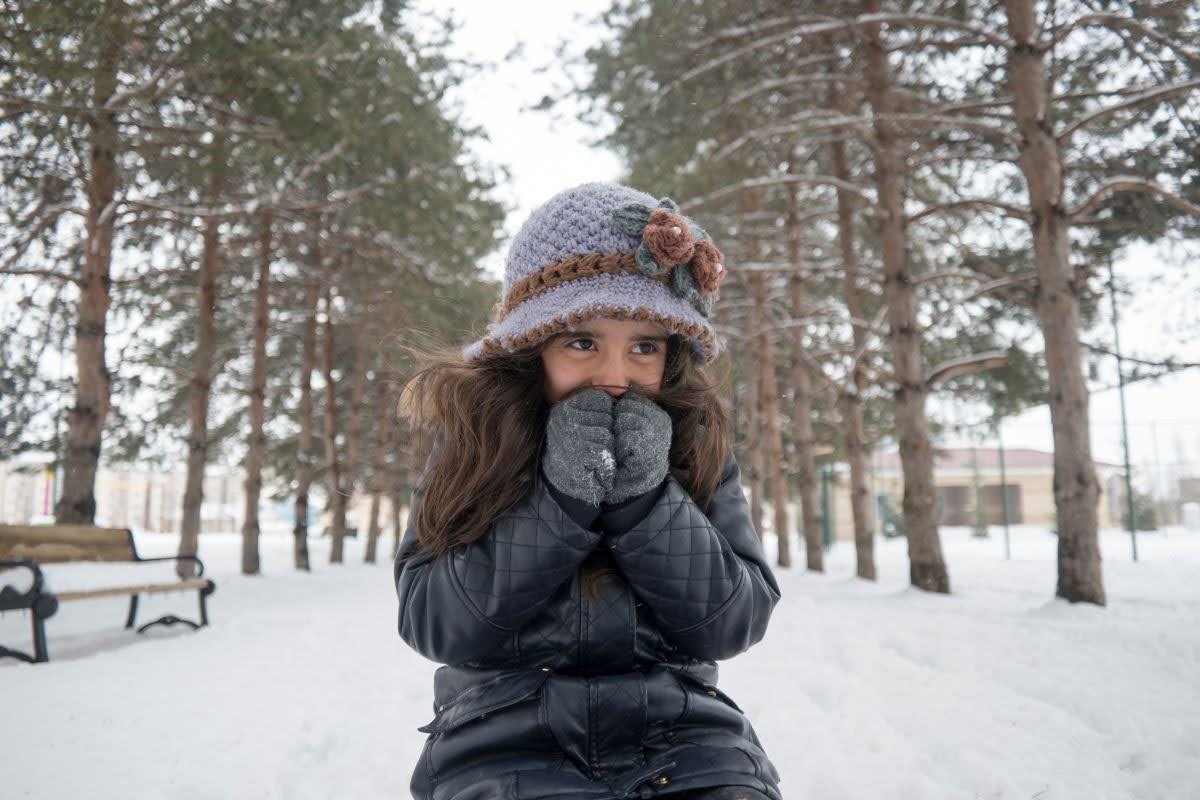
Beyond the Chill: Understanding Frostbite & Hypothermia
November 1, 2025As the season turns colder and winter approaches, venturing outside comes with risks beyond a simple misstep. Two major dangers of prolonged cold are frostbite and hypothermia, both needing swift attention and quick action to prevent enduring damage.
At Pulse-MD Urgent Care, we want to ensure you and your family know how to stay safe this season, recognize the signs of these cold weather injuries, and understand when it’s time to seek medical care.
Understanding Cold Weather Dangers
Cold weather injuries occur when your body is exposed to cold for too long and loses heat faster than it can produce it.
Frostbite
Frostbite is a cold-related injury that occurs when your skin and underlying tissues actually freeze. It most commonly affects extremities like fingers, toes, nose, ears, cheeks, and the chin.
Signs of Frostbite
Frostbite symptoms progress in stages, from mild to severe:
- Early stage (Frostnip): Skin may feel cold, firm, numb, tingly, or painful. The skin may look red or pale. Frostnip typically does not cause permanent damage.
- Mild to Moderate Frostbite: The skin may start to feel warm, which is a sign of serious tissue involvement. The affected area may sting, burn, swell, and look white, blue, or blotchy. Blisters may form 12 to 36 hours after rewarming.
- Deep/Severe Frostbite: The skin will feel hard, waxy, and completely numb. The affected area may turn white or blue-gray. The tissue may turn black and hard as it dies (gangrene).
Immediate First Aid for Frostbite:
- Move to a warm place indoors.
- Gently remove any wet clothing or jewelry from the affected area.
- Warm the area gently by soaking it in warm (not hot) water, around 100∘ to 105∘F (37∘ to 40.5∘C), for about 30 minutes. You can also use body heat (like an armpit) to warm the area.
- DO NOT rub the affected area, as this can cause further tissue damage.
- DO NOT use direct dry heat sources like a fire, radiator, or heat lamp.
- DO NOT walk on frostbitten feet or toes if possible.
- Take an over-the-counter pain reliever like ibuprofen if the rewarming is painful.
Hypothermia
Hypothermia is a medical emergency that occurs when your body loses heat faster than it can produce it, causing your core body temperature to fall dangerously low—below 95∘F (35∘C).
Signs of Hypothermia
- Mild Hypothermia: Shivering (often intense and uncontrollable), fatigue, and confusion or slurred speech. Skin may be pale, cold, and dry.
- Moderate to Severe Hypothermia: Shivering may stop, which is a sign that the condition is worsening. Symptoms include a slow heart rate, slow or shallow breathing, exhaustion, drowsiness, clumsiness, confusion, and loss of consciousness.
Immediate First Aid for Hypothermia:
- Call 9-1-1 immediately, as severe hypothermia is life-threatening.
- Move the person to a warm, dry place.
- Gently remove all wet clothing.
- Dry the person and wrap them in dry blankets or put on dry clothing, focusing on warming the core (chest, neck, head, and groin) first.
- If the person is awake and can swallow, offer sips of a warm, non-alcoholic, non-caffeinated liquid like broth or warm water.
- DO NOT warm the person too quickly, such as by using a hot bath or rubbing the extremities.
When to Visit Urgent Care or the ER
Knowing where to seek care is crucial. While all cold-related injuries require medical evaluation, the severity determines the best course of action.
Visit the Emergency Room (ER) Immediately for:
- Any signs of moderate to severe hypothermia, such as a lack of shivering, slurred speech, confusion, loss of consciousness, slow breathing, or a weak pulse.
- Deep frostbite symptoms, including large blisters, severe pain after rewarming, or skin that is hard, numb, or turning black.
- Severe injuries from a fall on ice, like a compound fracture (bone visible through the skin) or severe head trauma.
Visit Pulse-MD Urgent Care for:
- Frostnip or Mild Frostbite: For the earliest stage where the skin is red, painful, or tingly but quickly regains feeling after initial warming. Our providers can assess the area to ensure no permanent damage has occurred.
- Mild Cold Symptoms: If you’re concerned about mild cold exposure, aches, or minor related symptoms that are not progressing to severe frostbite or hypothermia.
At Pulse-MD Urgent Care, we can provide quick evaluation, wound care for mild cases of frostbite, and determine if you require a higher level of care.
Prevention is Key
The best way to manage cold weather dangers is to avoid them entirely.
- Dress in Layers: Wear several loose layers of clothing, including an inner layer that wicks moisture away and a waterproof/windproof outer layer.
- Cover Extremities: Wear a hat, scarf to cover your face, mittens (which are warmer than gloves), and thick, waterproof boots to protect your ears, hands, and feet.
- Stay Dry: Change out of wet clothes, gloves, hats, or socks immediately.
- Limit Outdoor Time: Be aware of the wind chill factor and limit time outside, especially during peak cold and windy conditions.
- Stay Hydrated & Avoid Alcohol/Caffeine: Drink plenty of warm fluids like water or broth, and avoid alcohol and caffeinated drinks, as they can cause you to lose body heat faster.
Don’t let the cold weather catch you unprepared. If you or a loved one experiences symptoms of frostbite or hypothermia and you need fast, expert medical attention, Pulse-MD Urgent Care is here to help.
Walk in or check in online today to get the care you need to stay healthy this winter!
© 2026 Pulse MD Urgent Care