- OPEN 7 DAYS
- 855-85-PULSE
First Aid for Minor Injuries After a Winter Auto Accident
December 1, 2025Winter road safety is essential, as vehicle accidents spike in bad weather. A small bump can still lead to undetected injuries due to the immediate stress and shock.
It is always important to seek medical attention right away after a car accident, even if you feel fine initially, as some injuries may not develop symptoms until hours or even days later. Seeking prompt medical attention is crucial for diagnosing injuries, optimizing your prognosis, and creating medical records that document a connection between the accident and your injuries. For non-life-threatening injuries, Pulse Urgent Care is here to provide the prompt, expert care you need without the long wait times of an emergency room.
Understanding Common Types of Minor Car Accident Injuries
Minor injuries from a car accident can often be effectively treated at an urgent care clinic. Here are some common examples of non-life-threatening injuries we treat:
- Whiplash: This neck injury occurs from a sudden back-and-forth movement, common in rear-end collisions. Symptoms can include neck pain, stiffness, and a reduced range of motion. Urgent care can assess and provide initial treatment for whiplash.
- Bruising and Minor Cuts (Contusions and Lacerations): Bruises are soft tissue injuries that cause discoloration and swelling, while minor cuts may occur from debris or impact. Urgent care is equipped to clean, dress wounds, and provide stitches for lacerations if necessary.
- Sprains and Strains (Soft Tissue Injuries): These involve damage to ligaments or muscles/tendons, often affecting the back, shoulders, or limbs. Urgent care can diagnose the extent of the injury, which may include X-rays, and recommend a treatment plan, such as splints or braces, and pain relievers.
- Mild Concussions: For bumps or mild concussions without severe symptoms, vomiting, or loss of consciousness, urgent care can evaluate and monitor you.
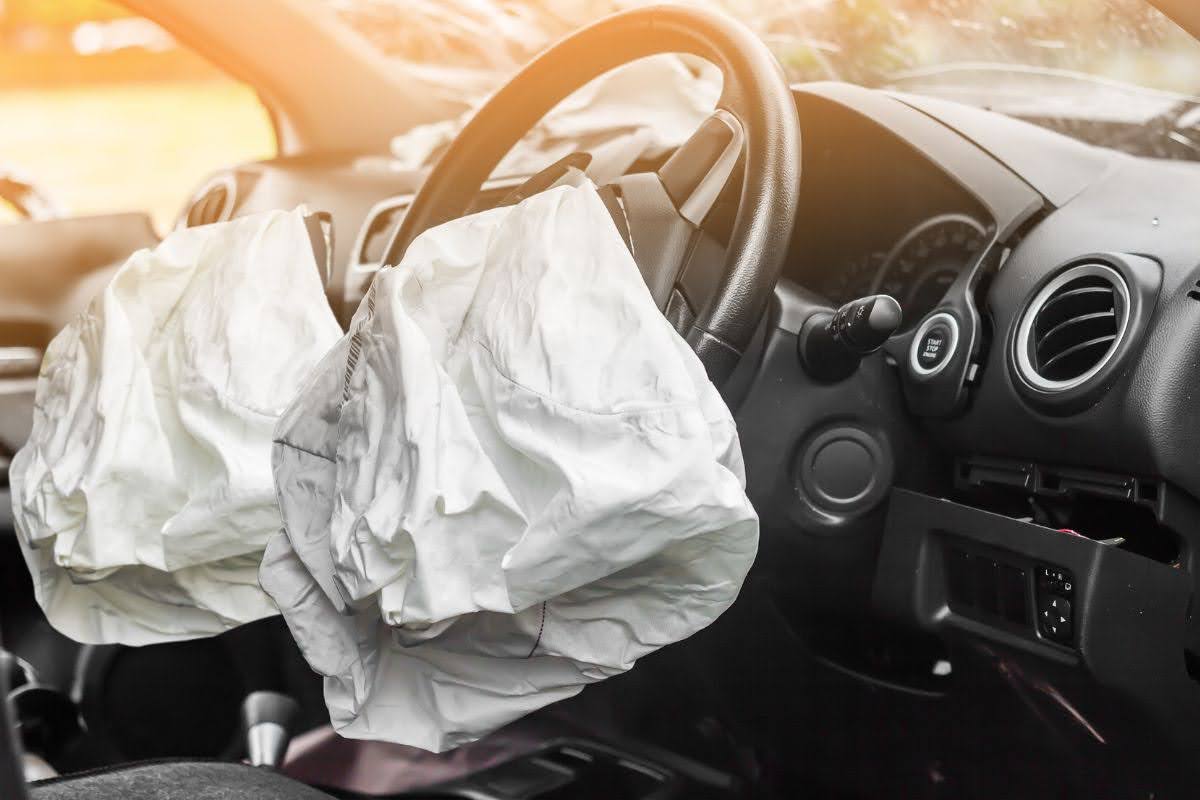
- Minor Burns from Air Bags: While air bags can – and do – prevent many serious injuries many people don’t realize that they come with a risk of burns. When a crash occurs, sensors in the vehicle trigger the air bag to inflate almost instantly – usually in less than 1/20th of a second. To do this, a small explosive charge ignites a chemical reaction that inflates the bag with incredible speed and force. This reaction generates a lot of heat; temperatures inside the air bag can briefly reach several hundred degrees Fahrenheit. If the airbag comes into contact with exposed skin, you may experience minor burns.
At Pulse Urgent Care, we have the expertise and onsite diagnostic tools, such as X-rays, to accurately assess your injuries and get you started on a path to recovery.
When to Visit Urgent Care vs. the Emergency Room
Knowing where to go for care is crucial after an accident.
Choose Urgent Care for:
- Mild pain, stiffness, or tenderness (suggesting minor whiplash)
- Minor cuts or bruises
- Pain, swelling, or difficulty moving a limb where a fracture is suspected but there is no visible deformity or bone breaking the skin
- Mild symptoms of a concussion, such as headache or dizziness, without loss of consciousness or repeated vomiting
- Any pain or discomfort that develops hours or days after the incident
Call 911 or Visit the Emergency Room Immediately for:
- Severe or uncontrolled bleeding
- A bone that is visibly out of place or piercing through the skin
- Signs of severe head trauma, such as loss of consciousness, seizures, or difficulty breathing
- Severe abdominal pain, which could indicate internal injuries
Your health and safety are our top priority. If you are unsure about the severity of your injuries, it is always best to seek immediate medical attention.
Get Back on the Road to Recovery
Even minor injuries from a winter car accident should not be ignored. Seeking prompt treatment is vital for proper diagnosis and can prevent complications down the road. Pulse Urgent Care is dedicated to providing fast, professional treatment for the non-life-threatening injuries that follow a car accident. Our team can assess your condition, manage your pain, and recommend any necessary follow-up care or specialist referrals.
Don’t let a winter car accident sideline your holiday season. Walk in or check in online today at Pulse Urgent Care for expert, compassionate care.
Important Disclaimer Regarding Insurance and Claims: If you are seeking treatment for injuries sustained in a car accident, it is your responsibility to follow the legal and insurance requirements in your state. Medical records created during your visit will document your injuries and treatment. This documentation is crucial for any potential personal injury or auto insurance claim. We strongly advise you to notify your auto insurance company immediately and consult with them or a legal professional for specific guidance on your coverage and how to file a claim. Timely reporting of the accident and your injuries to your insurer can be critical to your ability to recover damages.
© 2026 Pulse MD Urgent Care